
Mastering Family Meal Planning Tips for Busy Lives
- Rochelle Asilo

- 6 days ago
- 3 min read
Meal planning can feel like a juggling act. Between work, school runs, and other commitments, finding time to plan meals often falls to the bottom of the list. But with a little strategy, you can turn meal planning into a smooth, stress-free routine.
I’ve learned that mastering family meal planning is all about simplicity, organisation, and smart choices. Let me share some practical tips that help me keep meals on track, reduce food waste, and save time and money.
Smart Family Meal Planning Tips That Work
Start with a clear plan. I find that setting aside just 30 minutes each week to plan meals makes a huge difference. Here’s how I do it:
Check the calendar first. Look at the week ahead. Note any busy days or events that might affect dinner time.
Choose simple recipes. Pick meals that use similar ingredients to avoid buying too many different items.
Batch cook and freeze. Prepare double portions and freeze extras for quick meals later.
Use leftovers creatively. Turn last night’s roast into a tasty sandwich or salad the next day.
Shop with a list. Stick to your list to avoid impulse buys and reduce waste.
Using these tips, I keep meals varied but manageable. It’s all about working smarter, not harder.

How to Use a Family Meal Prep Planner Effectively
A family meal prep planner is a game changer. It helps you organise meals, track ingredients, and avoid last-minute scrambles. I use a family meal prep planner to:
Plan weekly menus
Create shopping lists based on what’s needed
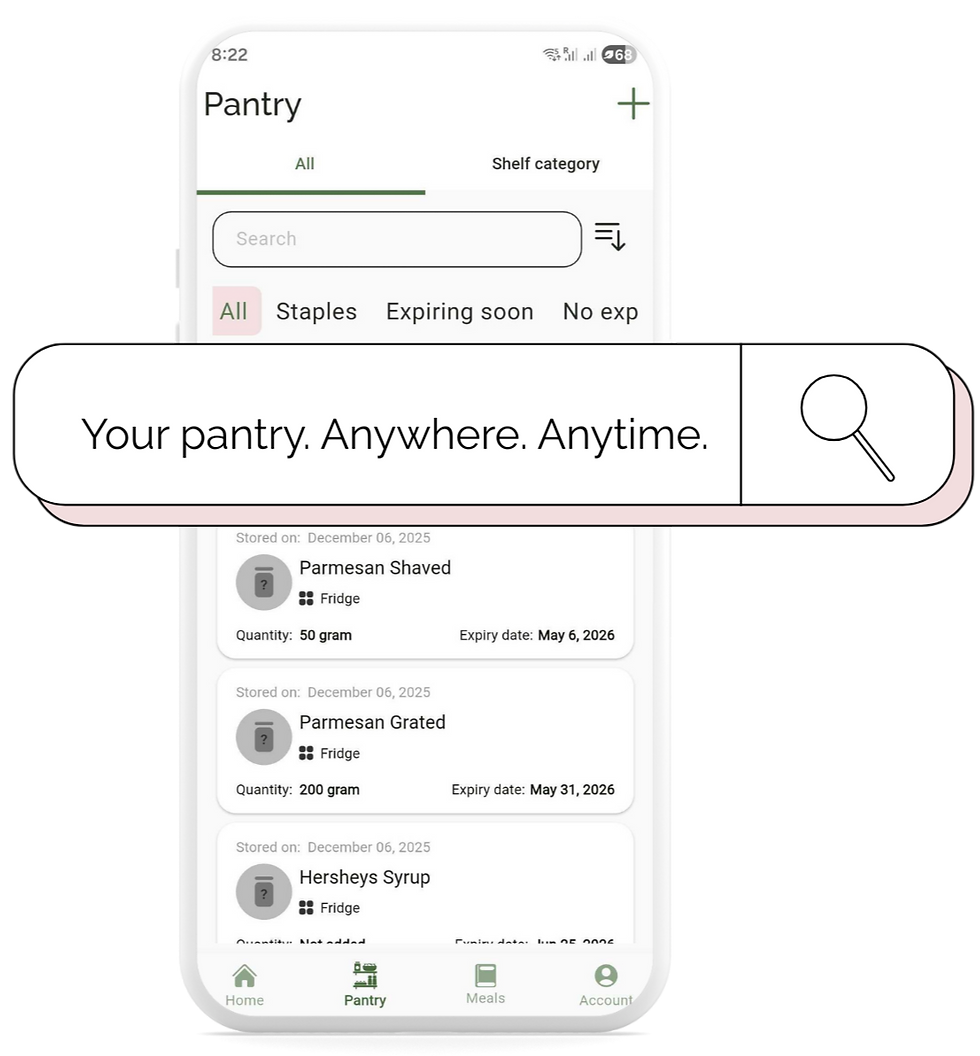
Track pantry items to prevent overbuying
Schedule batch cooking days
This tool keeps everything in one place. It also helps me reduce food waste by reminding me what’s already in the pantry. When you know what you have, you buy only what you need.
What is the 5 4 3 2 1 Grocery Rule?
The 5 4 3 2 1 grocery rule is a simple way to shop smarter and reduce waste. Here’s how it works:
5 fresh fruits or vegetables - Aim to include a variety of colours and types.
4 proteins - Choose from meat, fish, beans, or tofu.
3 grains - Think rice, pasta, or bread.
2 dairy or dairy alternatives - Milk, cheese, or yoghurt.
1 treat or snack - A little indulgence to keep meals enjoyable.
This rule helps balance your shopping list and keeps meals nutritious. It also limits overbuying, which means less food ends up in the bin.
Tips for Efficient Grocery Shopping and Pantry Management
Grocery shopping can be overwhelming without a plan. Here’s how I keep it simple and efficient:
Shop once a week. This saves time and reduces impulse purchases.
Stick to your list. Use your meal plan to create a precise shopping list.
Shop the perimeter first. Fresh produce, dairy, and meats are usually around the edges of the store.
Use clear storage containers. Label and date leftovers and pantry items to keep track.
Rotate stock. Use older items first to avoid spoilage.
Managing your pantry well means you always know what’s available. This reduces the chance of buying duplicates and helps you use ingredients before they expire.

Making Meal Prep Fun and Family-Friendly
Meal prep doesn’t have to be a chore. Involve the family to make it enjoyable and educational:
Assign simple tasks. Kids can wash veggies or set the table.
Try themed nights. Taco Tuesday or Pasta Friday adds excitement.
Cook in batches together. Make it a weekend activity.
Experiment with new recipes. Keep meals interesting and varied.
When everyone pitches in, meal prep feels less like a burden. Plus, it teaches valuable skills and encourages healthy eating habits.
Keep It Flexible and Realistic
Life is unpredictable. Sometimes plans change, and that’s okay. Here’s how I stay flexible:
Have a few quick meal options ready, like frozen veggies or canned beans.
Use your freezer wisely to store leftovers or pre-cooked meals.
Don’t stress if you need to order takeout occasionally.
Adjust your meal plan as needed without guilt.
Flexibility keeps meal planning sustainable. It’s about progress, not perfection.
Mastering family meal planning is a journey. With these tips, you can simplify your routine, reduce waste, and enjoy more quality time around the table. Remember, a little planning goes a long way. Start small, stay consistent, and watch how meal times become easier and more enjoyable.
Happy planning!


Comments